


By Jenni Wolf
As a dietitian specializing in the field of eating disorders and disordered eating, I know many people will feel uncomfortable just even reading the first sentence of this article, let alone talking about this subject.
The clients I work with often feel the same way. Unfortunately, eating disorders are no different from the other mental health diagnoses that our culture believes are too shaming and taboo to discuss.
However, as Eating Disorders Awareness Week (Feb. 24 to March 2) approaches, it’s a time to better understand eating disorders and challenge the stigma around them so we can acknowledge and reduce their impact.
As a dietician, I do a lot of myth-busting with individuals and their supports—helping to shed light on the reality of eating disorders so we have the best chance to interrupt and prevent them. I thought it would be useful to “bust” some of the most common myths in celebration of EDAW and spread knowledge about eating disorders.
Myth: Only adolescent females suffer from eating disorders.
Fact: It is estimated that 9% of the American population will have an eating disorder during their lifetime, including individuals of all ages, gender identities, body sizes and shapes, races and ethnicities.
Eating disorders don’t discriminate. However, eating disorders are less often screened for and diagnosed in the male-identifying and BIPOC communities1. As a provider I have personally cared for individuals ranging from pre-teen to 70+ years old. When the above myth is supported, it creates barriers to care for individuals that do not fit the “eating disorder stereotype.”
Myth: You must be underweight to have an eating disorder.
Fact: Only 6% of individuals with an eating disorder are actually “underweight” or fit the low-weight stigma eating disorders carry. In fact, individuals in larger bodies are at increased risk for eating disorders2.
With that, atypical anorexia (a diagnosis that does not require an underweighted BMI) is more common than anorexia nervosa—the only difference between the two? Weight criteria.
Yep, you read that right—it is more common for someone to exhibit anorexic behaviors and be in a “normal-weighted” or larger-sized body than be underweighted1. Again, this myth often keeps individuals out of treatment because they may believe they are not “sick enough” because they do not live in a small body.
Myth: Anorexia nervosa and bulimia nervosa are the most common and only life-threatening or severe eating disorders.
Fact: There are eight formal eating disorder diagnoses in the diagnostic manual: anorexia nervosa, bulimia nervosa, binge-eating disorder, other-specified feeding or eating disorder (OSFED), unspecified feeding or eating disorder (UFED), avoidant-restrictive food intake disorder (ARFID), pica, and rumination3. All have increased mortality and suicide rates compared to their peers without eating disorders1.
Binge-eating disorder and OSFED are the most common eating disorders in the United States1.
Myth: People with eating disorders do not eat.
Fact: Most do. And most eat in a way that seems normal.
Eating disorders are very sneaky and manipulative; they thrive in secret and isolation. Most supports are surprised, often even in doubt, to learn of a loved one’s eating disorder diagnosis because they appear to eat normally around them.
While most do eat, individuals with eating disorders often need a condition to eat (or not eat) and experience mental preoccupation around food. Many also experience guilt and shame associated with eating and food choices.
Myth: Poor body image causes eating disorders.
Fact: While negative body image and low self-worth can contribute to the development of an eating disorder, they are never caused by one, isolated thing.
Research supports a variety of biological, social and psychological risk factors including genetic predisposition (i.e., history of eating disorder or other mental illness in the family), perfectionistic personality traits, ADHD and other neurodivergent diagnoses, and history of trauma, substance-use disorders, isolation and dieting4.
Myth: One can choose to stop “doing” their eating disorder.
Fact: If this were true, we wouldn’t have two major eating disorder treatment facilities in our metro area and there wouldn’t be many others around the country.
Eating disorders are mental illnesses. Just like someone can’t choose to stop being depressed, one cannot choose to stop their eating disorder.
Eating disorders always serve a function for an individual. To interrupt eating disorder behaviors, one must identify that function and learn to meet those needs in another, non-maladaptive, life-giving way. This is hard work, one that requires a team of professionals including a therapist and a registered dietitian and often a medical provider and psychiatrist as well.
There is no timeline for recovery and the process is not linear. It is not unusual for people to enter treatment or need support multiple times throughout their lives or for this process to take 10-plus years.
Reviewing the facts around eating disorder prevalence, diagnosis and treatment will help break down the barriers to accessing treatment and support that exist in our society.
Jenni Wolf, a registered dietitian, writes about food and nutrition.
Footnotes for this story are in the grey-shaded copy block on the lower righthand corner of this page.
Footnotes:
1. Deloitte Access Economics. The Social and Economic Cost of Eating Disorders in the United States of America: A Report for the Strategic Training Initiative for the Prevention of Eating Disorders and the Academy for Eating Disorders. June 2020. Available at: www.hsph.harvard.edu/striped/report-economic-costs-of-eating-disorders.
2. Flament, M. F., Henderson, K., Buchholz, A., Obeid, N., Nguyen, H. N. T., Birmingham, M., & Goldfield, G. (2015). Weight status and DSM-5 diagnoses of eating disorders in adolescents from the community. Journal of the American Academy of Child & Adolescent Psychiatry, 54(5). https://doi.org/10.1016/j.jaac.2015.01.020
3. American Psychiatric Association. (2013). Diagnostic and statistical manual of mental disorders (5th ed.).
4. Dennis, A. B. (2024, May 24). Eating Disorder Risk Factors- National Eating Disorders Association. National Eating Disorders Association. www.nationaleatingdisorders.org/risk-factors.
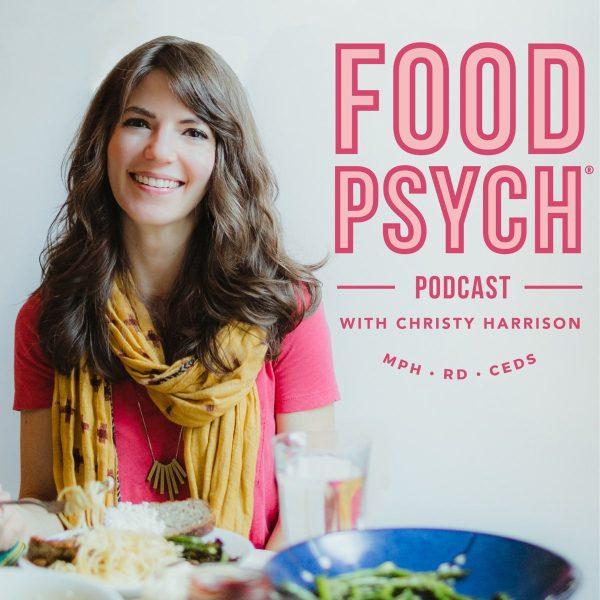
Food Psych podcast
with Christy Harrison
A podcast dedicated to critiquing diet and wellness culture. Conversations about making peace with food, healing from disordered eating and dieting, (re)learning intuitive eating, and more.
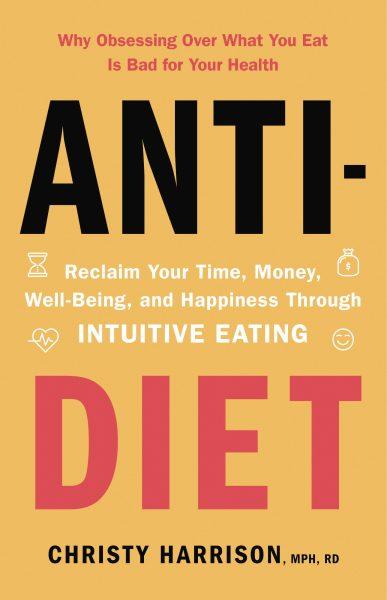
Anti-Diet
Reclaim Your Time, Money, Well-Being, and Happiness Through Intuitive Eating by Christy Harrison
A radical alternative to diet culture, and helps readers reclaim their bodies, minds, and lives so they can focus on the things that truly matter.
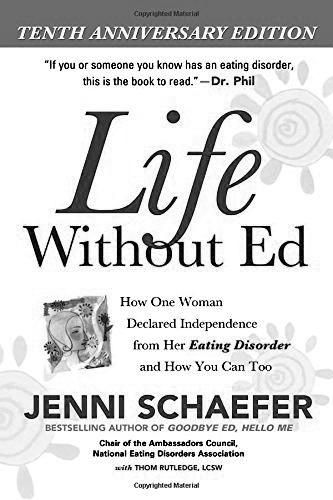
Life Without Ed
How One Woman Declared Independence from Her Eating Disorder and How You Can Too by Jenni Schaefer
A memoir and self-help guide that chronicles the author’s journey to overcoming an eating disorder by personifying it as “Ed” and breaking free from its control.
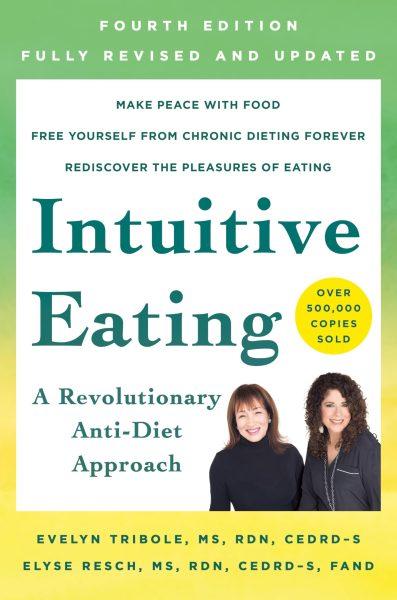
Intuitive Eating
A Revolutionary Anti-Diet Approach by Elyse Resch and Evelyn Tribole
A guide that encourages a healthy relationship with food by rejecting diet culture, honoring hunger and fullness, and trusting your body’s innate wisdom.
Sick Enough
A Guide to the Medical Complications of Eating Disorders by Jennifer Gaudiani, MD, CEDS, FAED
An accessible exploration of the medical realities and complexities of eating disorders, offering critical insights for patients, families, and healthcare providers.
