

By Sarah CR Clark
At St. Anthony Park Elementary School, going to the Wolf Ridge Environmental Learning Center has been an annual rite of passage for each year’s fifth-grade class for more than 40 years.
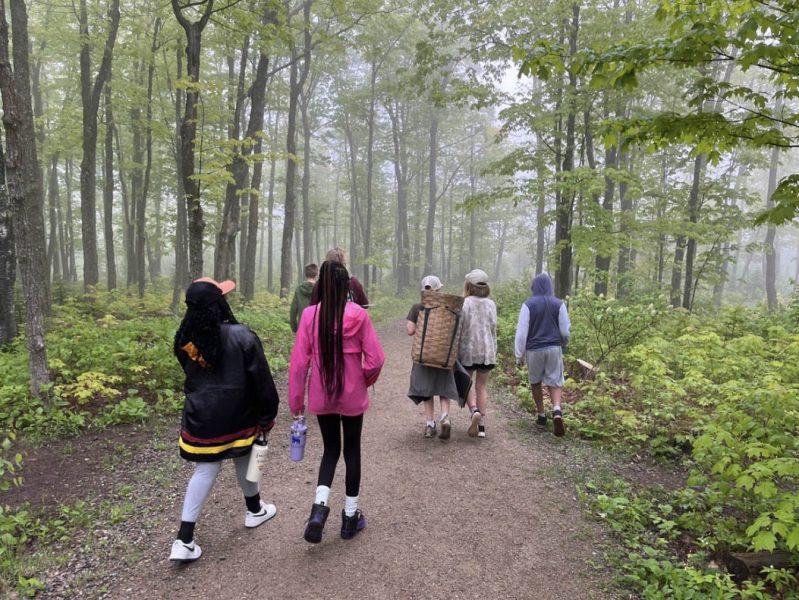
This June was no exception as 90 fifth graders, five teachers and about 20 chaperones travelled north to spend five days and four nights at the environmental learning center in Finland, Minnesota.
“Our wolf mascot (for SAP Elementary) came from Wolf Ridge,” explained school principal Karen Duke, who participated on the same field trip as a student in the 1970s.
Wolf Ridge executive director Peter Smerud described his organization’s relationship with SAP Elementary as “one of the oldest both in tradition and in maintaining the community’s commitment in coming to Wolf Ridge for their children.”
This year, that tradition and commitment of trekking to Wolf Ridge felt a bit strained as transportation costs rose, fundraising efforts increased, and still some students’ families chose not to participate.
Nature’s classroom
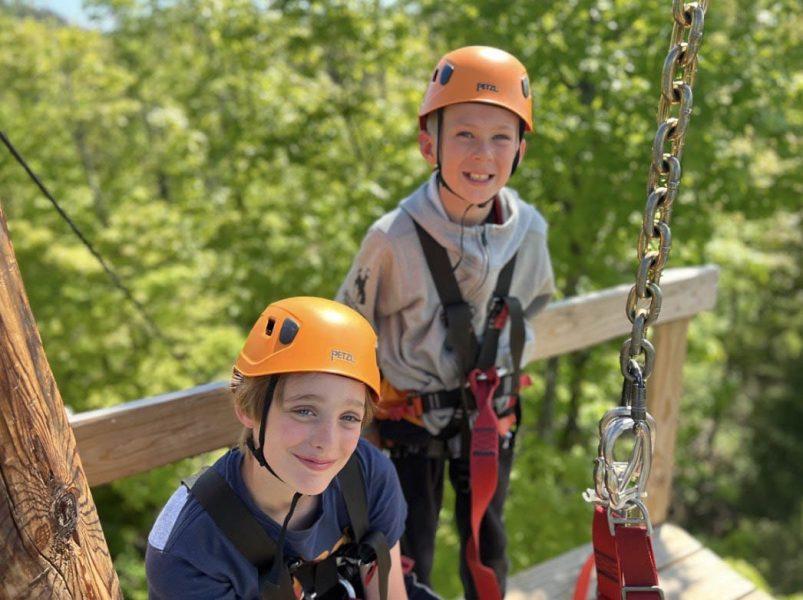
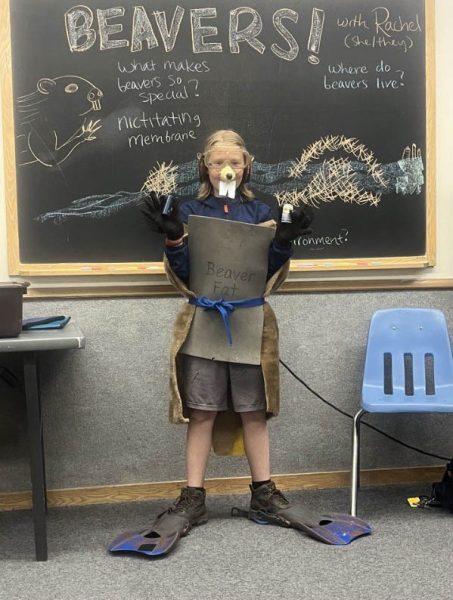
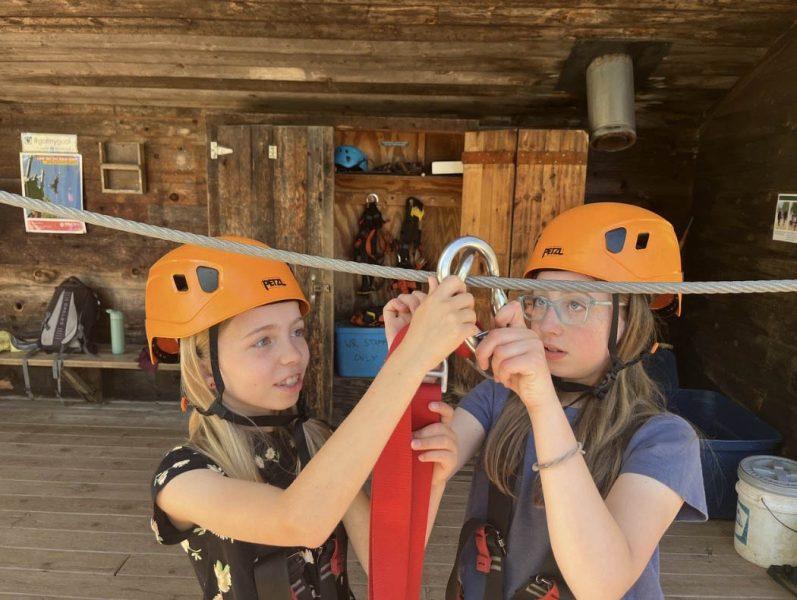
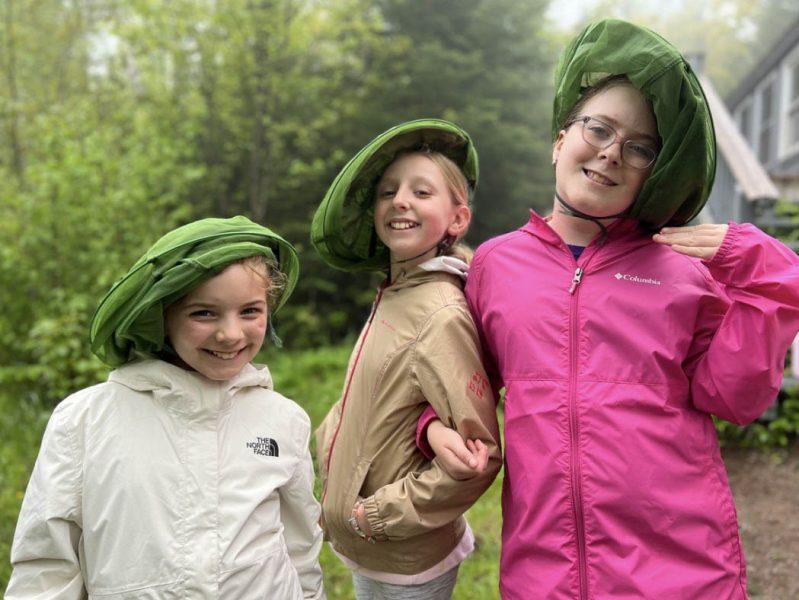
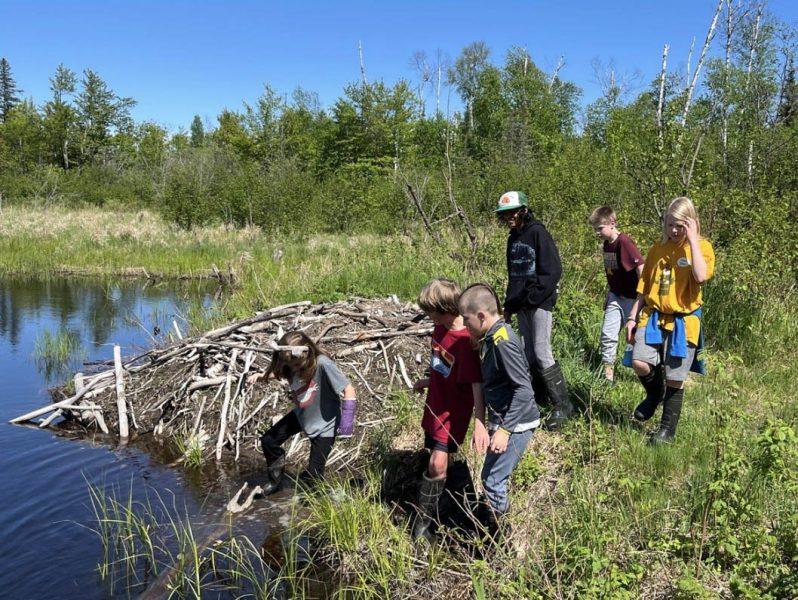
At Wolf Ridge, SAP students experience hands-on lessons about science, the area’s natural environment and adventuring via rock climbing and ropes courses.
Students Louisa Lindfors, Harriet Zbacnik and Ejabo Hashi were among the fifth graders who went on the Wolf Ridge trip.
“I learned a lot about Lake Superior and how and when it was formed,” Lindfors said.
Zbacnik said that of the eight Wolf Ridge classes SAP students took, the one focusing on voyageurs and the fur trade was her favorite “because we got to have different roles and be someone else to learn what voyageur life was like.”
Hashi’s favorite class also focused on a specific local culture. “I really liked the Ojibway heritage class because we learned a lot about how Ojibway people lived and ate,” she said.
Meanwhile, parent chaperone Samantha Cakir said it was special to see the students enjoying the Wolf Ridge program. “I saw lots of huge smiles, shrieks of joy, moments of wonder, students surprising themselves with what they were able to do and supporting their classmates to try new things.”
Duke described Wolf Ridge as an important experience for students. “It’s a really great experience for kids to be away. It’s a safe, highly supervised environment for them to have their first experience away and they love it.”
Student Atlas Laacouri agreed, noting, “I really enjoyed the ropes course. It was scary at first but it was really worth it. I hope I go again. I love how I got just a little bit past my comfort zone and now I don’t think I’m as afraid of heights as I used to be.”
When asked to share something new he learned during his week at Wolf Ridge, Laacouri shared, “I learned how people mine for iron here.”
A rare opportunity — and getting rarer
Laacouri and his SAP classmates are lucky. Currently, just 29% of Minnesota’s kids currently get any kind of outdoor school experience, . according to Smerud, who also leads the charge for Outdoor School for All, – a legislative movement to fund equitable access to outdoor education.
Smerud considers his work essential to creating good Minnesotans for the future. And he sees a direct connection between his work and SAP’s commitment to experiencing Wolf Ridge.
“This is what it means to raise a student from St. Anthony Park; community commitment,” he continued. “Going to Wolf Ridge is about an outdoor ethic, a connection with nature, becoming a good Minnesotan. But it’s also about becoming a good human being who then has all these traits and skills that we want to send out into the world.
“If you’re a city kid and you aren’t accustomed to seeing stars — to go on a night hike away from the buildings and just simply lay down and look up at the stars; — that can change people,” Smerud concluded.
SAP science teacher James Schrankler (now retired) celebrated his 20th Wolf Ridge trip with SAP students.
“A lot of our students haven’t been to that part of the state,” he explained, referring to the North Shore. “I mean, when the bus goes by Lake Superior the kids start saying, ‘Wow! It’s the ocean!’ And it’s neat, you know, just that exposure.”
And for some students, that appreciation is life changing. “I have had a couple of past students say that they went into environmental science and that Wolf Ridge spring boarded that,” Schrankler added.
Fond memories
Rody Lageson was a SAP Elementary student in the 1990s and went to Wolf Ridge in the fall of 1995 (when the school included the sixth grade).
“I vividly remember sitting at Chickadee Landing and having birds land on my head and hands to feed. They were so small and light, and beautiful,” Lageson, now a construction manager, said in an email.
Asked what impact his Wolf Ridge trip had on him, Lageson responded, “In hindsight, outdoor education experiences through the St. Paul Public Schools really built my confidence. When kids are able to do unfamiliar and hard things in the woods, they learn they can do other hard things in their lives too.”
Lageson is now a father of two small children, the oldest of whom currently attends SAP Elementary. When thinking about their future Wolf Ridge trips, he said, “I’m excited for them and I hope I’m able to go along!”
Many other SAP Elementary parents share Lageson’s sentiment to keep the Wolf Ridge experience alive for future fifth graders. Case in point: The St. Anthony Park School Association this spring established the Jim Schrankler Wolf Ridge Endowment.
“This endowment creates a sustainable, enduring way to provide scholarships for kids in need of financial assistance to attend Wolf Ridge,” said Breanna Mueller, SAPSA treasurer and endowment organizer.
No SAP student is unincluded from the trip due to financial need. This year’s trip cost approximately $300 per student and SAPSA covered 21 full scholarships.
In addition, Smerud said Wolf Ridge awarded financial support for some students. The school also was awarded a No Child Left Inside grant from the Minnesota Department of Natural Resources to help defray the cost of buses.
Information about the new Schrankler endowment on givemn.org, written by parents of SAP Elementary students, states, “The school’s tradition of visiting Wolf Ridge is essential to its identity. While we all hear and read of tight budgets and the need to scale back and lower standards, we hope to retain and celebrate this unique opportunity for all our students as a reminder to them of their worth and our belief in their futures.”
Culture Gap?
But this long-standing tradition feels tenuous to principal Duke. She noted this year 10 families chose to not send their students to Wolf Ridge.
“Unfortunately, in the past few years, the large majority of families that have chosen not to send their kids are families of color,” she said.. “If we’re spending a huge chunk of resources on this trip and for whatever reason, families are choosing not to go, what do we do? Environmental education has all these benefits, like outdoor education, experiential education, community building. But where’s the line when that becomes me projecting my cultural values on you? I’m not comfortable continuing to offer it if we see a trend of more and more families opting out.”
Wolf Ridge’s Smerud spoke to the gap between Duke’s role, SAP Elementary’s changing student body and parents’ passions to continue the Wolf Ridge tradition,.
“You’re right, it is really hard,” he acknowledged. “But you have a community with decades of history here; and you can ask for help. Ask Wolf Ridge for help. Ask the community for help.”
Sarah CR Clark lives in St. Anthony Park and is a regular freelance writer for the Bugle, covering education.
